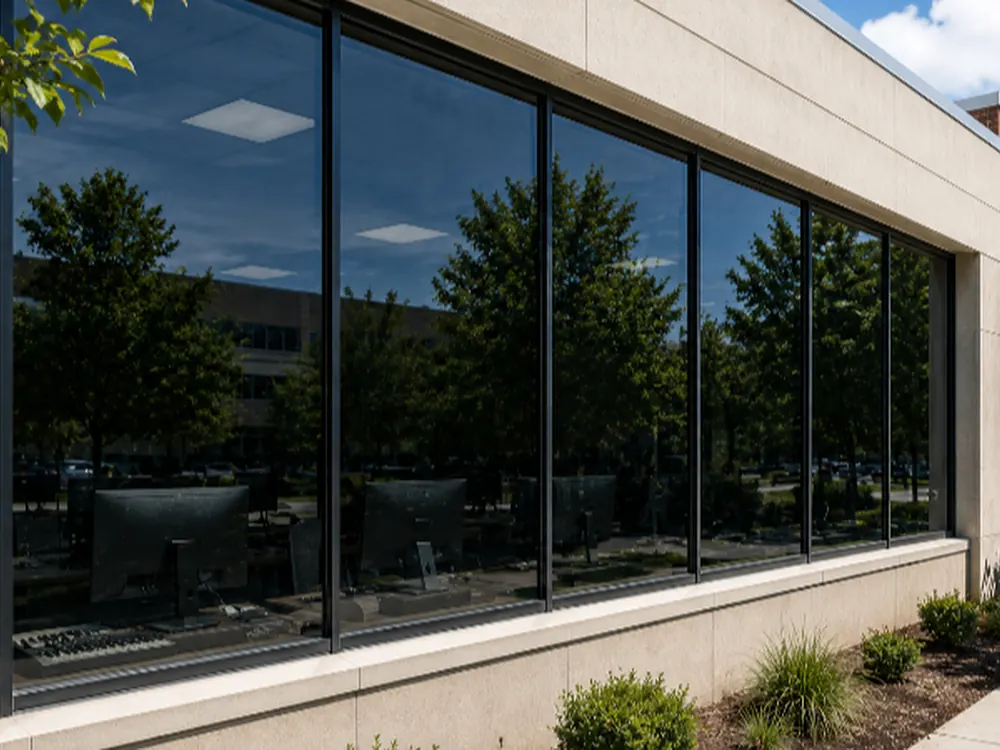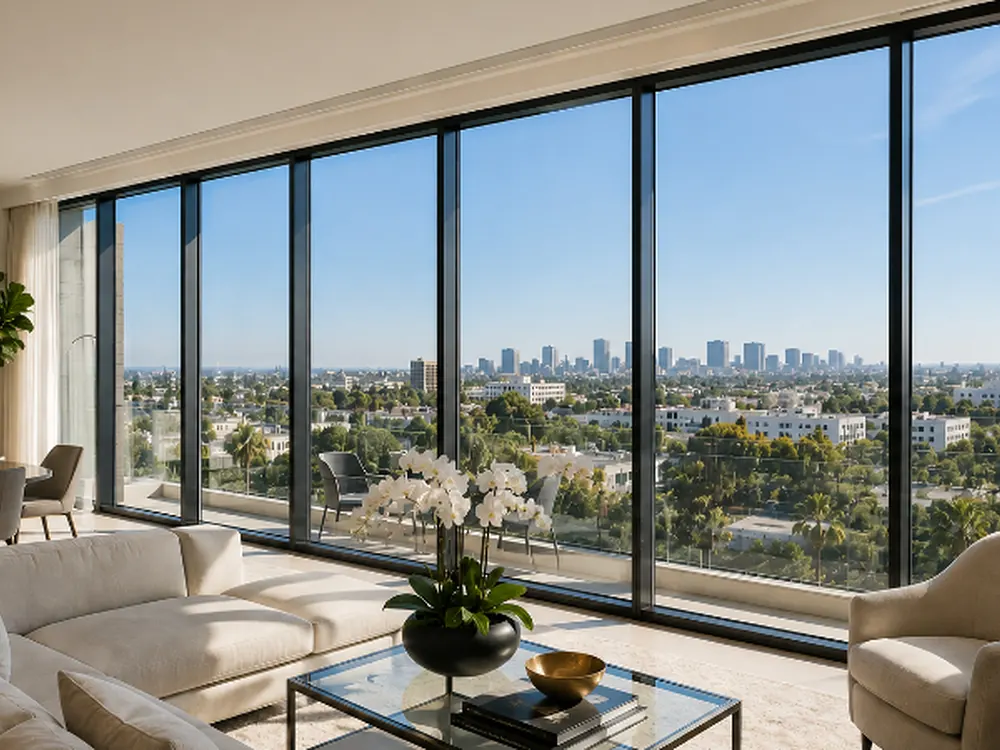
Every restaurant with a west-facing frontage knows this section. It's the best-looking part of the room, it photographs beautifully, and from about four o'clock nobody wants to sit there. The usual fix — closing the blinds — solves the discomfort by giving up the other thing the glass was doing for you.
It's a revenue problem, not a comfort one
For most businesses, uncomfortable afternoon sun is an annoyance. In a restaurant it's a set of covers you don't turn during a service, on the tables that would otherwise be the most desirable in the room.
That framing changes the economics considerably. The energy saving from solar film on a restaurant frontage is real but modest; the value of seating a section you currently can't during your afternoon and early evening trade is not. When we quote this work we'd rather talk about covers than kilowatt-hours, because that's where the number actually is.
Why closing the blinds costs you twice
A frontage showing a busy dining room is doing real marketing work — it's the single most persuasive signal a passing customer gets about whether to come in. Closing it during your afternoon trade removes that at exactly the point in the day when you most need to pull people in.
It also makes the room worse for everyone already inside. You've traded a bright, open dining room for a dim one to solve a problem affecting a handful of tables. Film addresses the heat and glare at the glass while leaving the frontage open, which is why it tends to be the right answer here.
What to specify for a dining room
The specification for a restaurant differs from an office, and it's worth being deliberate about it:
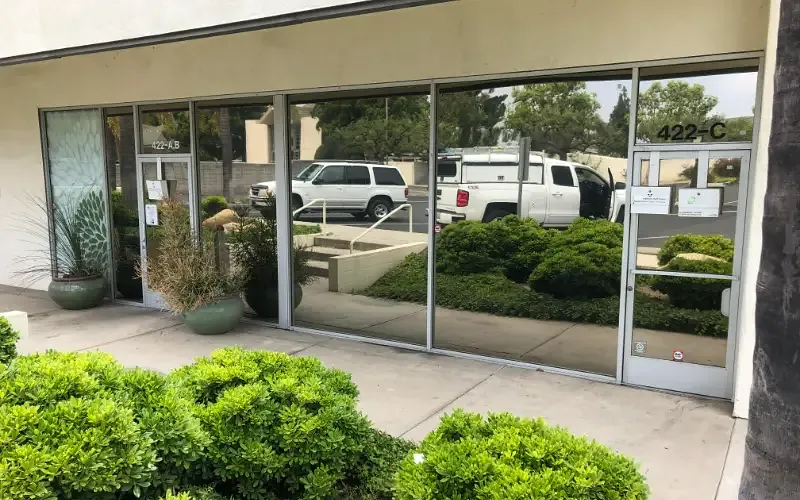
- Interior appearance matters — a highly reflective film makes the inside of the glass mirror-like at night, which kills the view out and the sense of openness.
- Colour neutrality matters more than usual, because a cast affects how food looks and how the room reads.
- Daytime privacy from a dual-reflective product can be a benefit or a problem depending on whether you want passers-by seeing in.
- Glare control usually matters more than maximum heat rejection, since the complaint is low afternoon sun at eye level.
The reflectivity point is the one most often missed. A film that performs beautifully in daylight can turn your window into a mirror after dark, which is the opposite of what a dining room wants in the evening.
The kitchen and the storefront are different jobs
If there's glazing serving a kitchen or prep area, that's a straightforward thermal problem where maximum heat rejection is simply correct — nobody is judging the ambience and the space is already hot from the equipment.
Treating the whole building with one product is the common shortcut and it under-serves both areas. We survey per elevation and per room use, which frequently means two different films on the same building.
You won't lose a service
All of our restaurant work runs after close or before opening. Glass is deep-cleaned, film applied and detailed, and the space left clean and ready — you open on schedule and nothing about the day changes except the section by the window.
If you'd like commercial film quoted around your actual trading hours, get in touch and we'll survey the frontage at no cost.